Signs of Spring in the UK
Nature has been in its dormant state over winter, but with the increase in daylight hours there are many signs of spring being just around the corner as the plants and wildlife start to spring into action.
When you’re heading out on your adventures - both big and small - keep an eye out for the incredible signs that nature gives us that the seasons are starting to change. Take a look at the plant life and you’ll start to see bright green buds and shoots bursting through the ground and on the branches all around us.
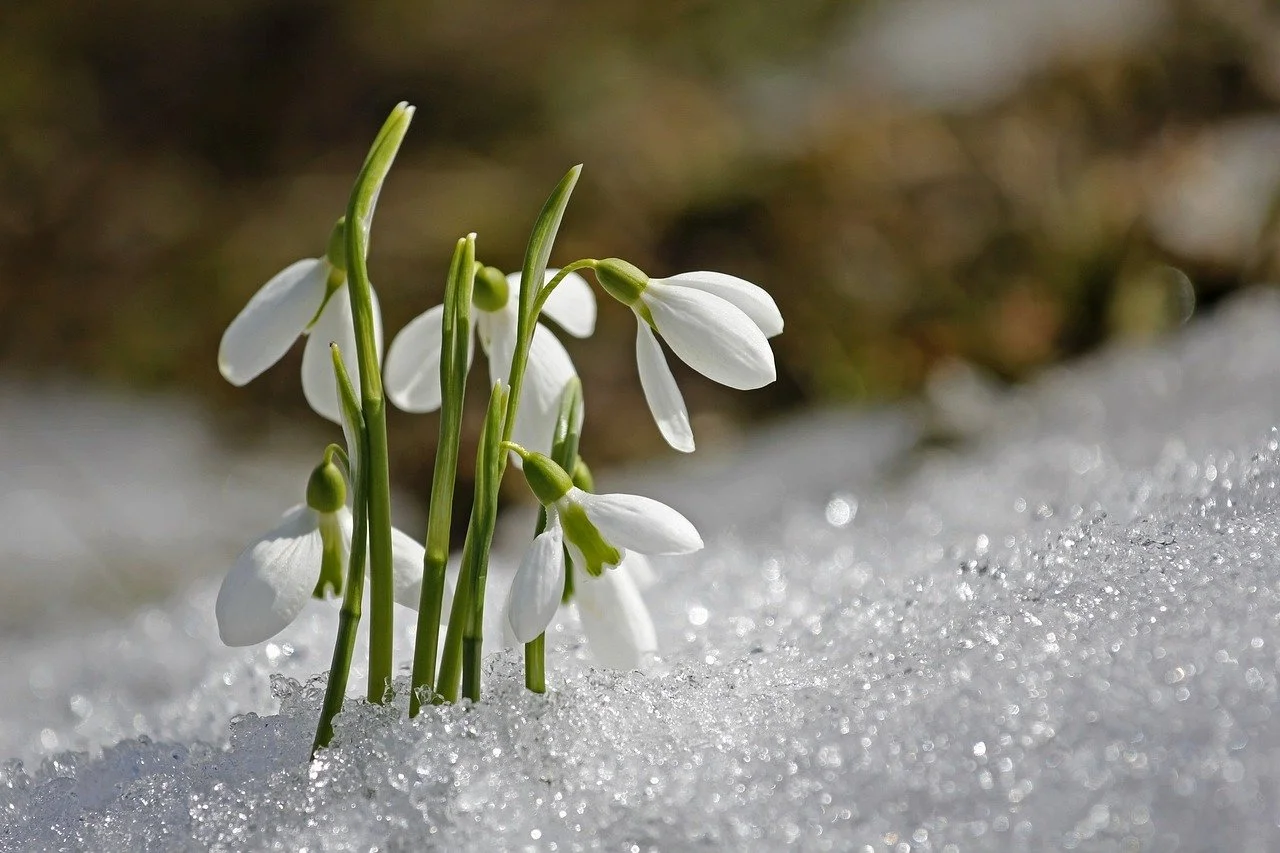
From as early as late January the first of the flowers to brave the conditions are the tough little snowdrops. There are in fact over 2000 species of this hardly little plant and part of their incredible survival is down to a natural anti-freeze type chemical that they contain, helping them to still survive and thrive in the tougher conditions of January and February.
From early February other tough plants start to follow, with the hardly little crocus emerging through the leaf litter and frozen ground, providing some much needed colour amongst the damp dark conditions. There are also many green leaf shoots pushing up through the soil, with the bluebell greens starting to emerge in our woodland ready for the incredible carpet of flowers we get in mid spring that are so valuable for our precious bee population.
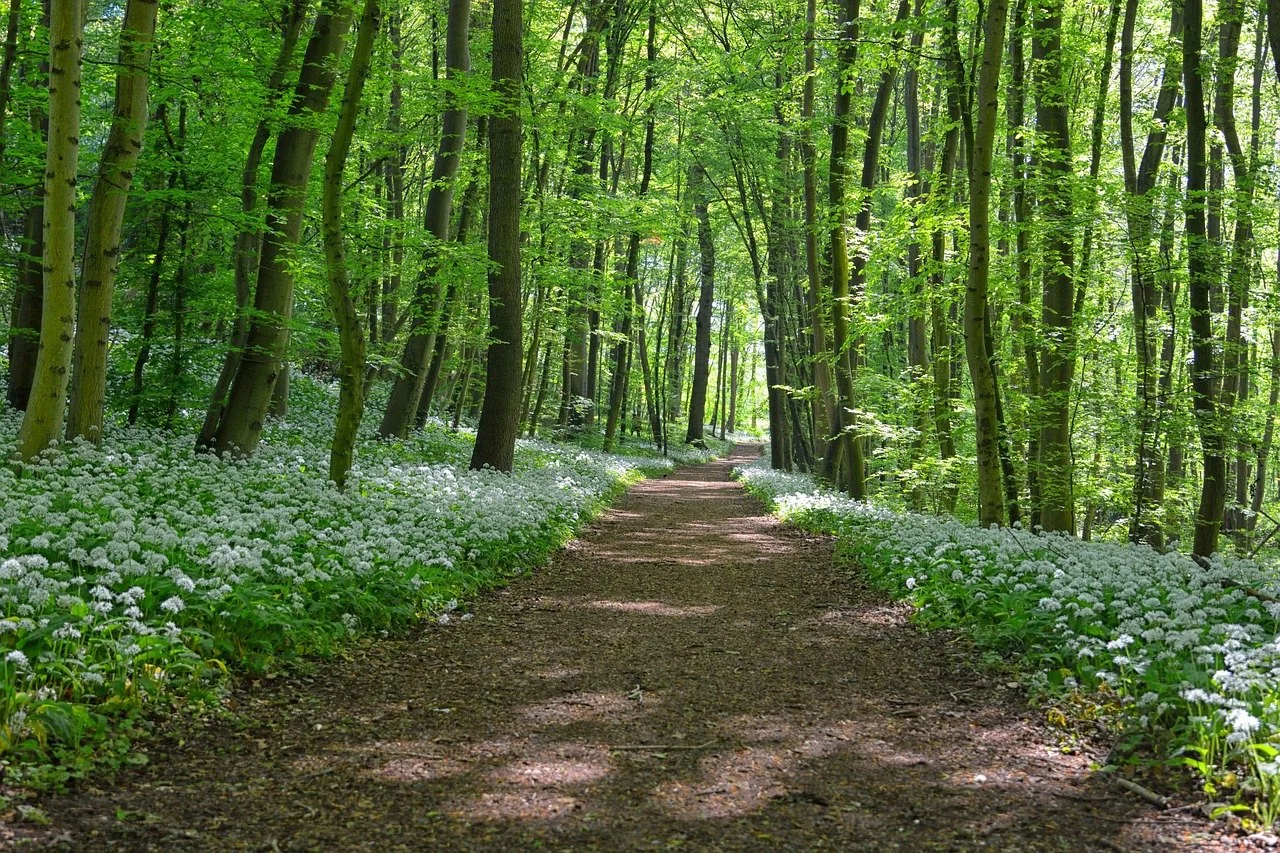
In the shady damp areas you will also find the tough green leaves of the wild garlic starting to break through too. They thrive in the damp shady woodland which supports their survival and means we are lucky to have access to these delicious forgeable plants. In March time, the wild garlic changes from an impressive sea of green to an amazing display with their white flowers, which are also edible, and add to the amazing fresh garlic smell of this delicious plant.
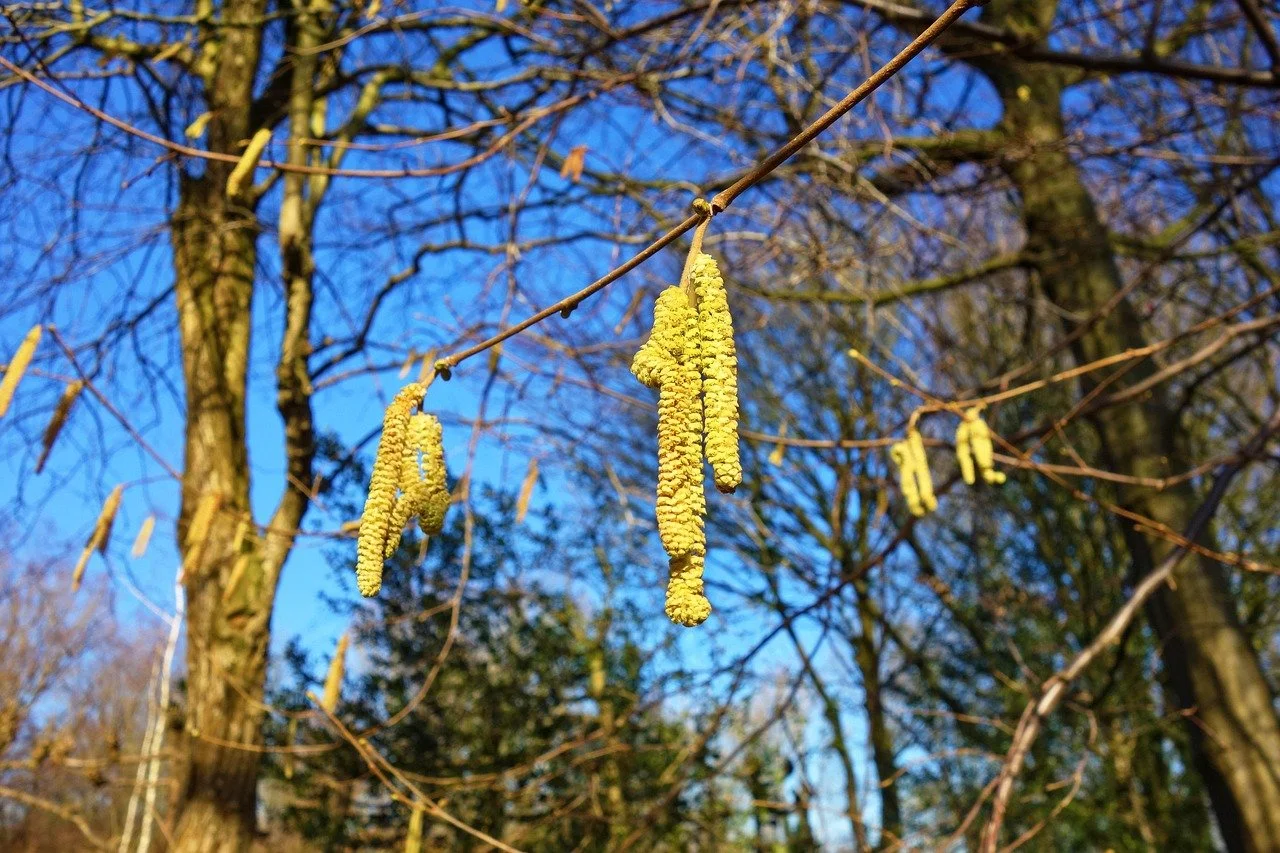
But it’s not just the flowers that are braving it and starting to burst into life, the trees are doing it too, just a little slower and not so visually obvious. If you look closely you will see many trees have buds that are starting to enlarge and get ready to open up their new year’s growth of fresh leaf cover. Trees such as the hazel have their catkins starting to form and grow, ready to release pollen in the coming months. Here in the UK there are many deciduous trees that put their energy into pollination first before leaf cover. It is thought that this happens so that the leaves do not get in the way of the pollination process as many trees rely on wind pollination, along with insect pollination. If there is leaf cover and the pollen is realised from the catkin for example, it could get caught up on the leaves rather than making its way to the flowers on the branches. By prioritising the pollination process, the tree improves its chance of producing the next generation of trees. There are some exceptions to this though, such as the hardy Hawthorn that produces a strong leaf cover first and the apple tree that produces a fine covering of small leaves just before its blossom, helping to boost energy stores and production through photosynthesis so the tree has the energy for fruit production once the tree has been pollinated.
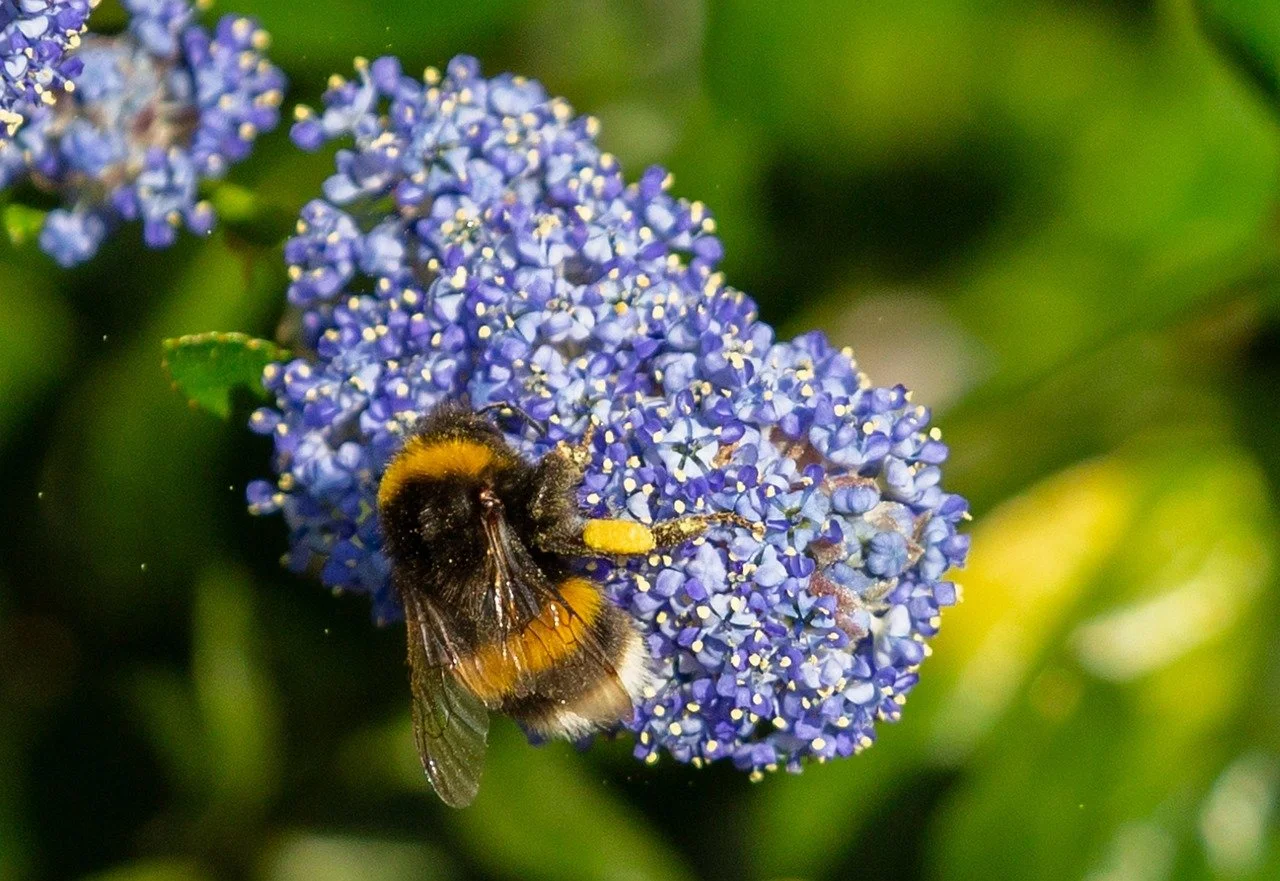
Of course all of this incredible plant life is vital for the survival of our insects providing valuable nutrition, these vital pollinators that in turn support and help plant and tree survival with their vital role in the pollination processes. Next month we should start to see the bumblebees as the Queen comes out of hibernation. The early blossoms and flowers provide valuable nutrition for the precious bees, and as bees are on the decrease, one of the many ways we can support and protect these vital insects is by planting flowers in our gardens or in window boxes, especially flowers that can provide early sustenance for them in spring.
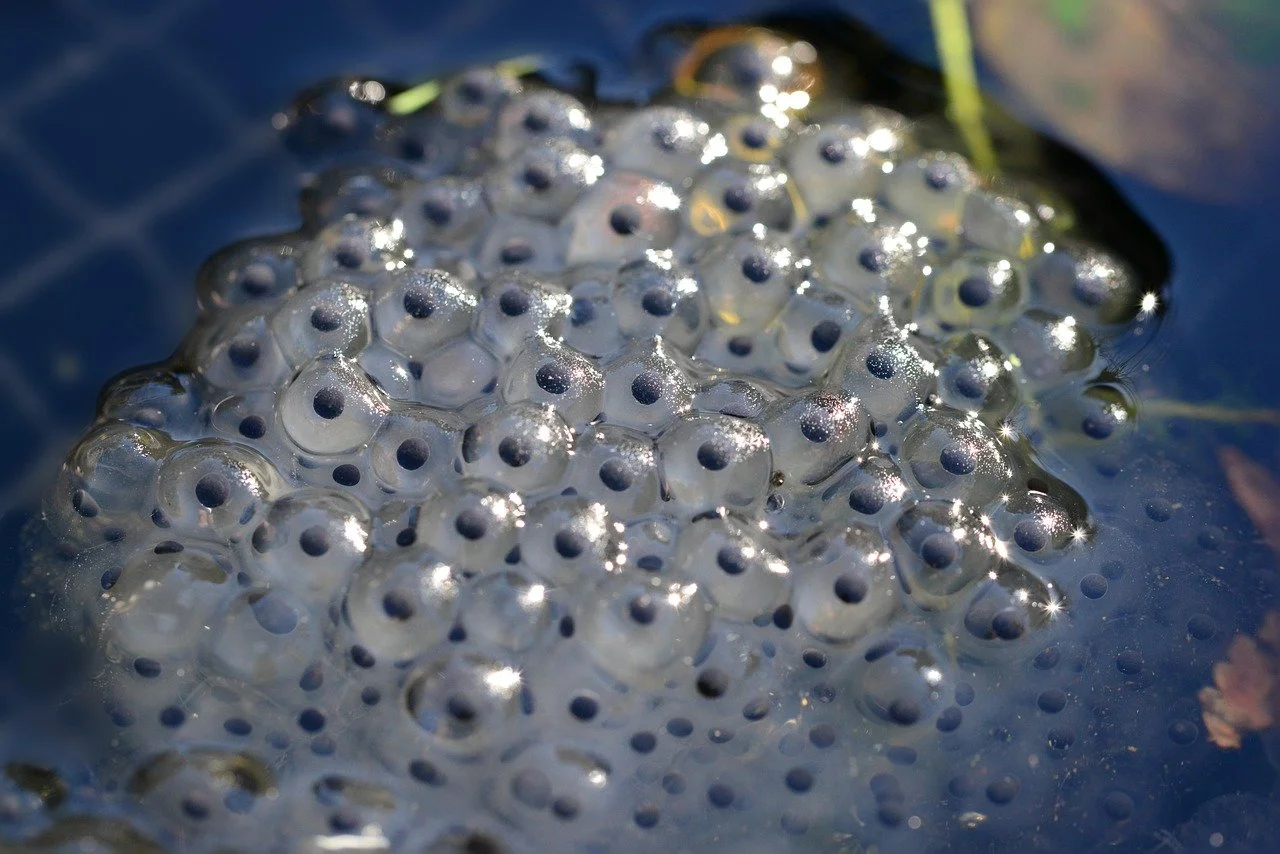
But it’s not just the insects that start to emerge and become more active, other forms of wildlife will become more active at this time of year too. You will see more when you are out and about, and for those that you don’t see, there will be signs they have been there. While the weather is still colder we don’t tend to see many amphibians, but around February into March keep an eye out for frog and toad spawn in your local ponds and lakes. Frog spawn can be found in big gelatinous clumps, the clear spheres will have just a small black dot in the centre that overtime grows and develops into the tadpoles we so easily recognise. Toad spawn is found in long chains, so is often harder to spot, but equally as important.
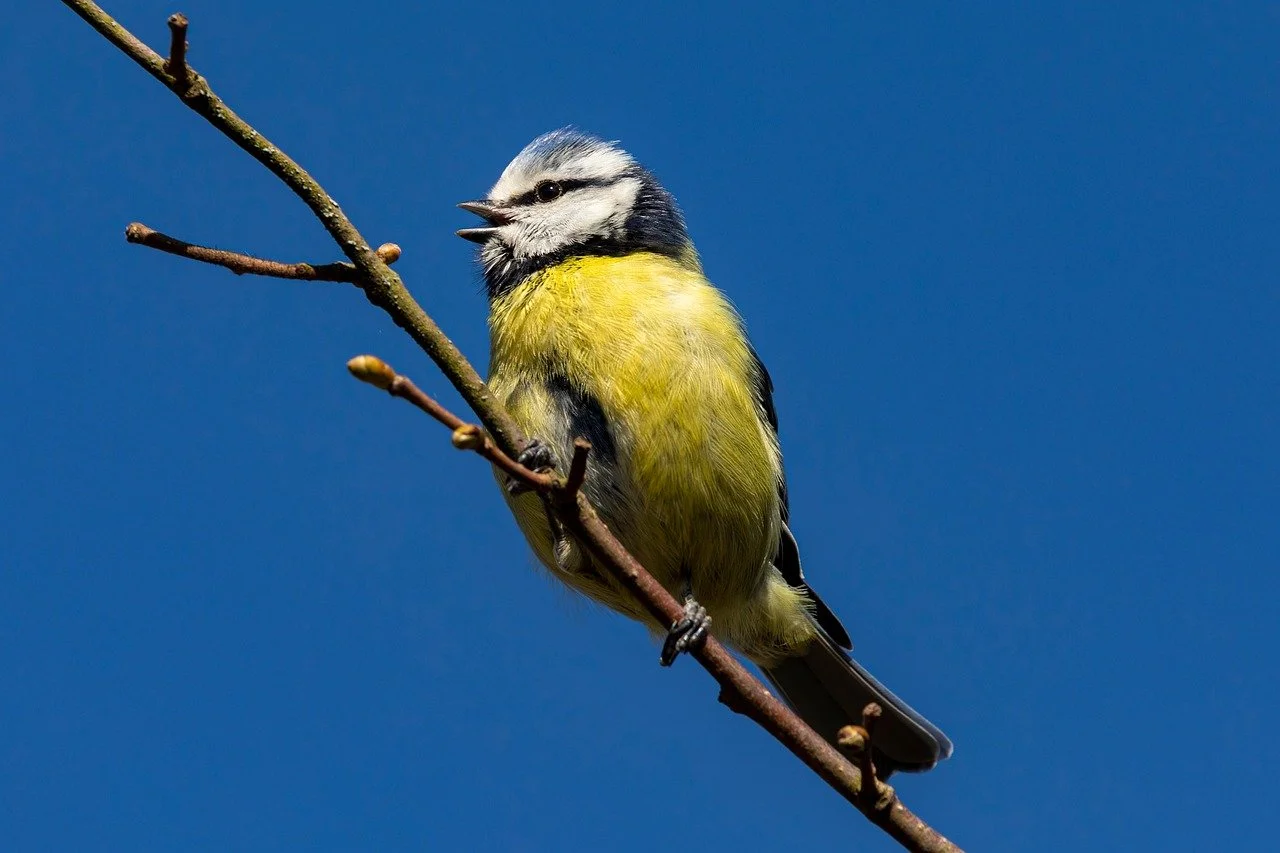
With the longer daylight brings increased activity and bird song as birds start to attract a mate and defend territories ahead of the spring breeding season. Many migratory birds such as chiffchaffs, swallows, and house martins return to the UK, with many now arriving earlier than in previous decades, so we should be seeing many of them soon. From as early as February many species of resident birds, such as blue tits start to build their nest, you will see them busily collecting twigs and soft nesting materials as they prepare their nest ready for their first clutch of eggs this season.
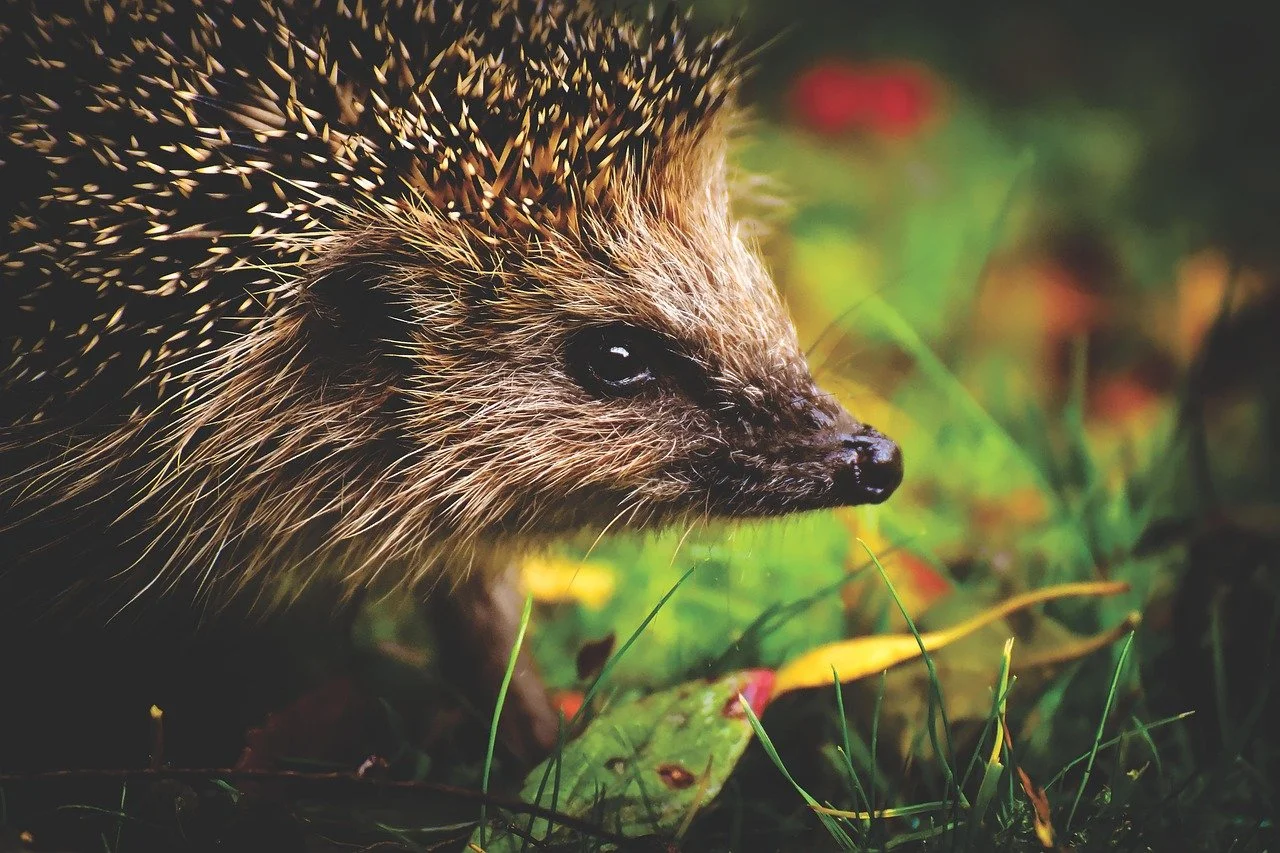
As we move from February into March many animals emerge from hibernation, keep an eye out for animals such as hedgehogs, badgers and bats. They can be found foraging for extra food after a time of reduced activity and dormancy during the winter months where they have relied on their fat stores to survive, so they need to to help replenish energy stores.
Nature is incredible, and the changing seasons reminds us of how impressive it all is, so let’s work together to protect our natural environments - connecting with nature is the best starting point - after all, if we don’t connect with nature, we are less likely to try and protect it. So when heading outdoors to explore, look around and take in the changing seasons as we head into fantastic spring!